
.jpg)
PROTECT YOUR DNA WITH QUANTUM TECHNOLOGY
Orgo-Life the new way to the future Advertising by AdpathwayAs states prepare for the $50 billion Rural Health Transformation Program (RHTP), several are incorporating Project ECHO (Extension for Community Healthcare Outcomes), a successful telementoring and capacity-building program that began in 2003 in New Mexico to connect primary care clinicians with multidisciplinary teams of specialists using videoconferencing to co-manage complex patient cases and share best practices.
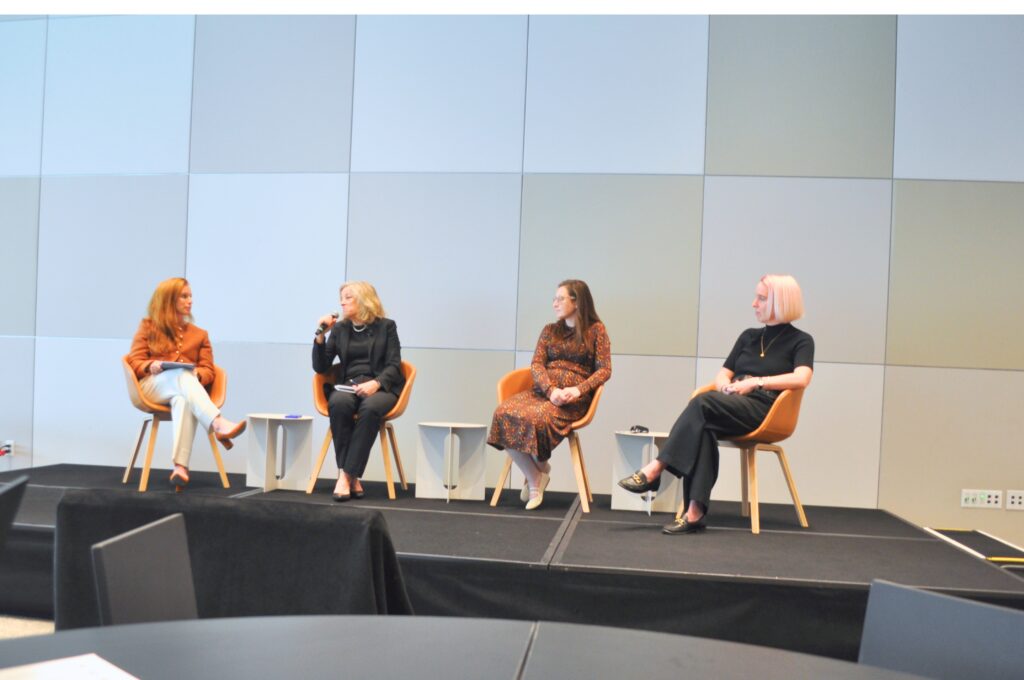
During a May 21 Center for Health Care Strategies webinar, executives from Oregon, New Mexico, and the nationwide ECHO Diabetes Action Network spoke about how state governments are planning to take advantage of the ECHO networks already in place in their states.
Leah Willis, chief of staff and senior federal policy advisor in the Office of the Director at the ECHO Institute at the University of New Mexico, said that as ECHO has expanded nationwide and across the world, its mission has remained the same — to improve the health and well-being for all by connecting communities with not only the knowledge, but also the support that is needed. There are more than 900 peer-reviewed publications that describe how ECHO’s hub-and-spoke model is impacting communities, she explained. There are hubs that leverage the ECHO model in every state.
Oregon has made Project ECHO a key part to its rural health effort. Maggie McLean McDonald, M.P.H., directs the Oregon ECHO Network, housed at the Oregon Rural Practice-Based Research Network at Oregon Health and Sciences University, where she oversees a 45-program-per-year portfolio and partners with state and national stakeholders to expand access to specialty knowledge through Project ECHO. Participants include about 25% physicians, followed by nurse practitioners, social workers, nurses, and a very big other category that includes everyone from peers to community health workers to jail staff, she said.
Project ECHO was identified early on as a tool in Oregon to help meet RHTP deliverables, and was listed by some in the state leadership as a key example of the type of innovation they were hoping to see in RHTP applications, she said. Oregon ECHO Network decided to submit public comment to show its interest early on. “We were very fortunate to be included in Immediate Impact Awards in Oregon, and it was said by OHA [Oregon Health Authority] that we were chosen because of our ability to deliver programs and also the evaluation support that we would be able to give in year one and year two,” McDonald said.
Oregon ECHO Network has structured its RHTP program to support 12 programs in year two of RHTP. “We've organized that into five different tracks: chronic disease prevention, substance use disorders, women's and children health, gerontology, and technology, all of which were identified as priorities in RHTP,” McDonald said. “We have many potential ideas that we will bring to our Rural Advisory Panel to get their feedback, including exercising with cancer, integrating nutrition into primary care, chronic pain and opioids, gynecology and primary care, palliative care, and AI and remote patient monitoring,” she added. “Through our RHTP funding, we are excited to be expanding our Rural Advisory Panel. We launched it five years ago with our five-year HRSA grant that's coming to a close this year, and through RHTP, we will take our Rural Advisory Panel statewide. We're also adding subject matter experts who are in alignment with each of our four RHTP tracks.”
Transformation in New Mexico
While the ECHO Institute helps support the training and ongoing technical assistance of other ECHO hubs across the United States and around the world, it also has under its umbrella ECHO New Mexico, Willis explained. “Collaborating with our state Medicaid office, we're just getting started related to the Rural Health Transformation Program in New Mexico. As is the case with many states, the state is being divided into six regions, to help focus needs assessments and learnings and deliveries of programs,” she said. “ECHO has been identified as the seventh region, so to speak, to help support all the others in identifying and achieving their missions. Like many ECHO hubs, we are already connected with every county in the state, so that brings with it an ability for some immediate impact, and it is really importantly to continue to grow those relationships.”
Also speaking during the webinar was Nicolas Cuttriss, M.D., M.P.H., a pediatric endocrinologist and the founding director and CEO of the ECHO Diabetes Action Network, which is working to transform diabetes care through front-line primary care workforce education, capacity building, and quality improvement.
Cuttriss made the case for thinking about diabetes in connection to RHTP opportunities. He noted that in rural areas of the United States, over 10% of the populations live with diabetes. In some clinics it could be 20% or even 40% of providers panels.
“While we've been making some progress over the past few decades in diabetes management and improvement of outcomes with new therapeutics technologies, there continues to be a lag in rural communities, and recent data shows that improvements have only been observed in urban areas, and mostly in female and older adults,” Cuttriss explained. “Rural/urban mortality gaps have tripled over this period of time in diabetes care, and those with the highest diabetes mortality include American Indians and Blacks. Additionally, people living with diabetes in rural communities are less likely to participate in diabetes self-management education. They're more likely to use the emergency room for diabetes-related reasons and increased costs, and they're less likely to experience improvements in other diabetes-related conditions, such as blood pressure and cholesterol control.”
Cuttriss noted that primary care clinicians often lack confidence around guidelines and adequate training and face other other barriers to providing optimal diabetes care. The model for Project ECHO Diabetes is a multidisciplinary interprofessional team, he said. “On a hub team, you could have an endocrinologist, a primary care clinician, a behavioral health specialist, a pharmacist, a diabetes educator, a social worker, a nephrologist, and a patient advocate all in one Zoom room at one time in one place with ongoing continuity and and mentorship."
Despite diabetes being one of the most costly and prevalent conditions in the U.S. as ECHO has taken off over the past 20 years, less than 1% of all ECHO programs are diabetes-related. There's a lack of funding for it, despite improvement of patient outcomes and improvements in healthcare costs.
“The evidence is there, but the uptake is still not there,” Cuttriss said. “Hopefully, with RHTP there's an opportunity to sponsor and collaborate with other ECHO programs in your state to focus on disparities in diabetes in rural communities, and to work with the ECHO Diabetes Action Network. We have a collaborative of ECHO programs around the country who've implemented diabetes programs or diabetes-related programs, and have a best practice toolkit ready to go as well. I can't highlight enough that ECHO is a proven shovel-ready model, and just ready to go for RHTP.”









 English (US) ·