
.jpg)
PROTECT YOUR DNA WITH QUANTUM TECHNOLOGY
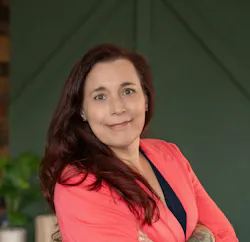
Orgo-Life the new way to the future Advertising by AdpathwayNavigating the shift from volume to value in healthcare Jennifer Noonan of Accessia Health explains why ending Medicare Part D subsidies could increase coverage losses, strain nonprofit assistance programs, and make navigating Medicare even more challenging for vulnerable patients Jennifer Noonan, Accessia Health The Trump administration recently announced plans to end Medicare Part D subsidies, the government’s prescription drug benefit that keeps premiums for seniors' prescription plans in check. What does this mean for people who are currently using this subsidy? Healthcare Innovation spoke with Jennifer Noonan, VP of Clinical Strategy at Accessia Health, a national nonprofit patient assistance organization that provides financial and holistic support to people with rare and chronic conditions, about the potential implications for patients who are already struggling. Accessia Health, Noonan says, represents many patients who are on Medicare or Medicaid and still require additional support to cover ancillary healthcare expenses. “We have patients that come to us either uninsured or underinsured who can't afford their premiums.” Noon expresses concern about those who will completely lose access to health insurance. “Often, we're the first to see these individuals who have lost their insurance or are struggling to find a good or affordable insurance plan,” Noon explains. “Our case managers will help people navigate that to find the best plan for them.” With the end of Medicare Part D subsidies, she says, charity dollars are being used up in ways that wouldn’t otherwise be necessary. “We definitely expect to see a continuation of individuals losing their ability to keep their insurance at all.” I see it all leaning toward less access to healthcare and poorer outcomes “We've already seen a lot of significant navigational problems within the Medicare environment around M3P (the Medicare Prescription Payment Plan),” Noonan adds. (M3P is a voluntary program that allows Part D enrollees to spread out-of-pocket prescription drug costs into monthly installments.) “I'm worried this might just cause more confusion or lack of understanding about what is still available outside of those subsidies that are going to be gone.” The end of Medicare Part D subsidies could have varying impacts, Noonan says. “I see it all leaning toward less access to healthcare and poorer outcomes if we can't find an intervention to get people back into having solid healthcare.” As far as alternative options, Noonan notes that there are quite a few different charitable assistance organizations out there, such as Accessia Health. “We all tend to have the same areas we can help in, which is direct payment toward healthcare, copays for medications, premiums, and travel. We also send individuals to advocacy groups if they have a specific health condition that they are chronically suffering with, to see if there are available resources that they can help connect them with.” “For us, the important piece has been education,” Noon says. “We find that if patients understand, they are more likely to be involved and able to advocate for themselves, because that seems to be the biggest missing piece: how to navigate all the different complexities.” Pietje Kobus-McAllister has an international background and experience in content management and editing. She studied journalism in the Netherlands and Communications and Creative Nonfiction in the U.S. Pietje joined Healthcare Innovation in January 2024. Sign up for our eNewsletters Get the latest news and updates

About the Author

Pietje Kobus-McAllister










 English (US) ·